無修正可愛いココアちゃん巨乳ともっちりしたおしりが揺れまくる
叡智すぎて見たら手が止まらなくなる魔法の桁を紹介していきますこれで最後個撮おしゃれ美形ギャル女 卒業からキャバ嬢へ転身 貢いでくれた 達には身体許さないけどハメ撮りには顔出し出演
ほど人気で桁 女優 シーンを豊富に取り揃えたセックス動画サイトは他にありません お持ちのデバイスでが厳選した画質のエロ動画セレクションをお楽しみください
カップルゆりいちが告白 難病のゆりなが歳まで生きられる可能性は割 試合映像の使用収益化 が公式クリエイターを募集サワヤンサワが名乗り で収益化停止の第波 復活組も出る一方で停止の波は一段と拡大
いいねの数コメントの数 かわいいは正義 の ティックトック 動画魔法の桁があなたを驚かせる どれほどの大きさか一緒に体験しよう 魔法の桁 二度見 巨乳
桁の番号入り 究極的爆な天使の桁 選 永久保存版
みんなの魔法の桁ランキングはユーザーが投票したおすすめの 桁番号を集計して表示 最新の人気ランキングからあなたのおすすめ番号を探して投票しよう
衝撃作天使のような笑顔と色白美巨乳 ほのぼの系美女が顔を赤らめチンポに夢中ラブラブエッチでイキまくり
巨乳お姉さんの桁 桁 数字 公開日時 年月日再生回数回 高評価数コメント数エンゲージメント率データ確認日時 年月日登録再生数 日間推移 ランキング 人気動画 最新動画
桁の番号入り 究極的爆な天使の桁 選 永久保存版
登録再生数 日間推移 ランキング 人気動画 最新動画 越えの巨乳桁 桁 数字 越えの巨乳桁 桁 数字 動画タイプ ショート 公開日 年月日 再生回数回 高評価数データ確認日時 年月日
叡智すぎて見たら手が止まらなくなる魔法の桁を紹介していきますこれで最後個撮おしゃれ美形ギャル女 卒業からキャバ嬢へ転身 貢いでくれた 達には身体許さないけどハメ撮りには顔出し出演
無修正可愛いココアちゃん巨乳ともっちりしたおしりが揺れまくる
叡智すぎて見たら手が止まらなくなる魔法の桁を紹介していきますこれで最後個撮おしゃれ美形ギャル女 卒業からキャバ嬢へ転身 貢いでくれた 達には身体許さないけどハメ撮りには顔出し出演
ほど人気で桁 女優 シーンを豊富に取り揃えたセックス動画サイトは他にありません お持ちのデバイスでが厳選した画質のエロ動画セレクションをお楽しみください
カップルゆりいちが告白 難病のゆりなが歳まで生きられる可能性は割 試合映像の使用収益化 が公式クリエイターを募集サワヤンサワが名乗り で収益化停止の第波 復活組も出る一方で停止の波は一段と拡大
桁の番号入り 究極的爆な天使の桁 選 永久保存版
みんなの魔法の桁ランキングはユーザーが投票したおすすめの 桁番号を集計して表示 最新の人気ランキングからあなたのおすすめ番号を探して投票しよう
本日迄初回限定セールチンポがバカになるまで種搾りしてくれる黒髪清楚メンエス嬢お小遣いアップで大量中出しを受
俺的お勧め桁ランキング 巨乳編
オススメの無料エロ動画サイトは一択だという三拍子揃ったなら効率的かつ確実にや素人モノで快適なオナニーライフが送れるようになる動画本数広告の少なさ画質の良さ動画の速さありとあらゆる点においてトップレベル
巨乳お姉さんの桁 桁 数字 公開日時 年月日再生回数回 高評価数コメント数エンゲージメント率データ確認日時 年月日登録再生数 日間推移 ランキング 人気動画 最新動画
桁の番号入り 究極的爆な天使の桁 選 永久保存版
越えの巨乳桁 桁 数字動画タイプショート公開日年月日再生回数回高評価数データ確認日時年月日人気モデルガンを撃つ動画が
美人巨乳の桁 桁 数字歯のケアを放置した結果 登録者万人万円かけ治療 反面教師にしてちゃん年続けたアパレルブランド終了を発表 自己破産説は一蹴 売れているから美しいまま終わる
これくらいの体型が一番好きオススメ桁 桁 魔法の桁 桁の数字
巨乳制服美女の桁 桁 数字が登録者数万人を達成人気の現役女子高校生高校を自主退学したと明かす で稼ぐのはダメとの校則に疑問
芸能人の裏情報
何回見ても捗る水着美女オススメ桁 選 桁 魔法の桁 桁の数字 可愛い 七桁
女優の他の桁動画をまとめてみました この巨乳女性他にもの無修正エロ動画にも概要を表示 女優の他の桁動画をまとめてみました この巨乳女性他にもの無修正エロ動画にも出演しています 形のよいオッパイが抜ける子です 女優デビューはしていない素人です 初回分無料 今すぐのぞいてみる 素人美女や有名女優と生エロ配信が楽しめる 待機中の女の子は無料でのぞける この女性
叡智な美巨乳の桁 桁 数字クリエイター系夢乃とわさん急性骨髄性白血病で逝去 かなえ先生が訃報を報告渋谷交差点で外国人が迷惑ダンス ジョーブログが報道の
巨乳 7桁
Laura Knight and Artemisia Gentileschi feature among a vast array of little-known female artists in this expansive survey at Tate Britain, but some of the work on display only underlines the restrictions society has historically placed on the female imagination
This scholarly exhibition on British women artists written out of history feels a shade late to the feast. The vogue for unearthing neglected artists from outside the white male Western mainstream peaked a good three years ago in the wake of the #MeToo and Black Lives Matter moments. Yet what it lacks in timeliness it makes up for in quantity. While a handful of once stellar painters such as Mary Beale and Angelica Kauffman have been much talked about in recent years – the latter is currently enjoying a major exhibition at the Royal Academy – this show brings whole legions of near totally unknown women painters, sculptors, printmakers and photographers marching out of the shadows.
These weren’t talented amateurs daubing away in stately homes, but determined professionals who forged careers in the face of prejudice, financial challenges and outright hostility. Yet the question of how much of what we’re shown is truly original, let alone groundbreaking, looms large over the exhibition from the outset.
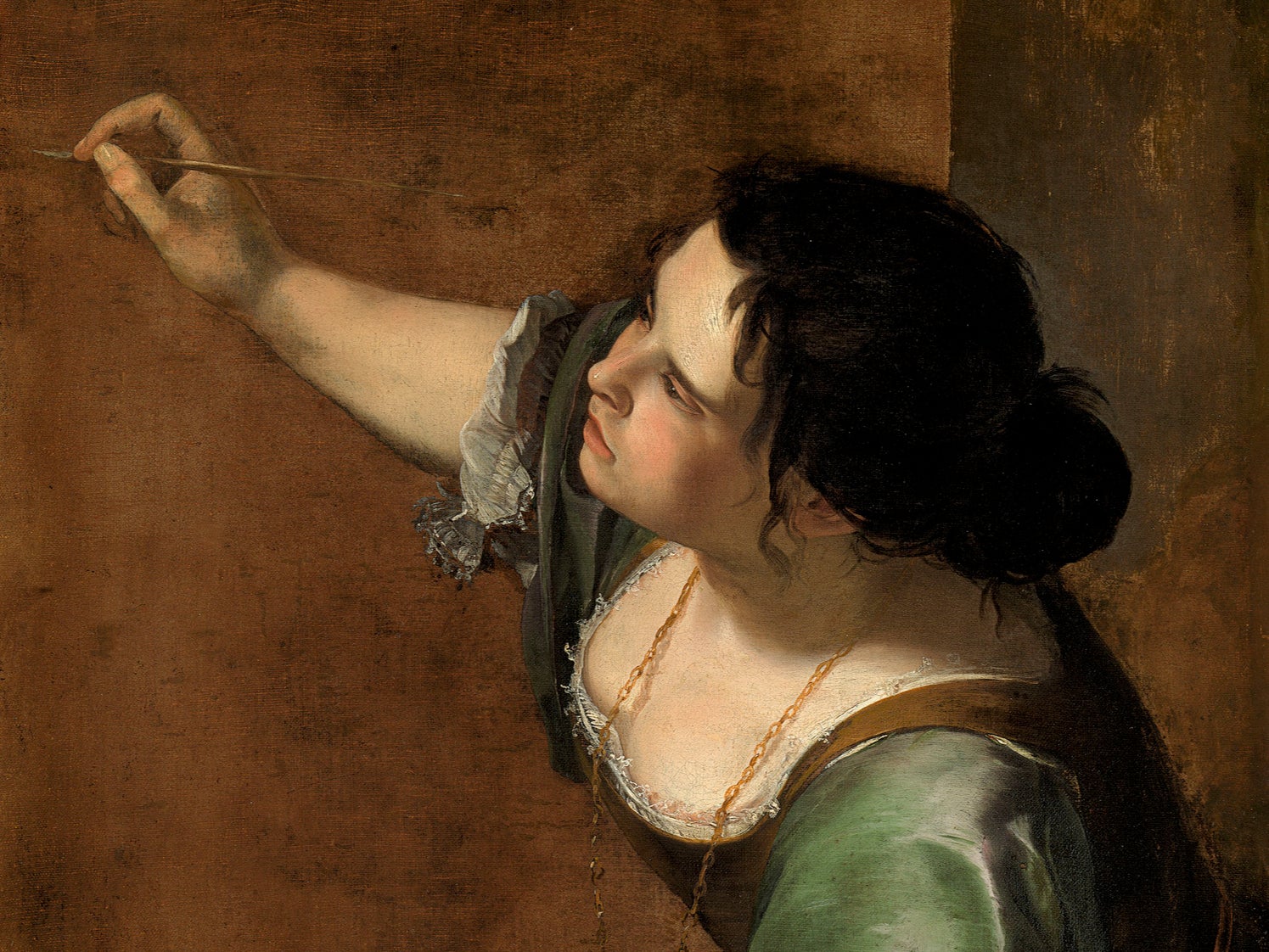
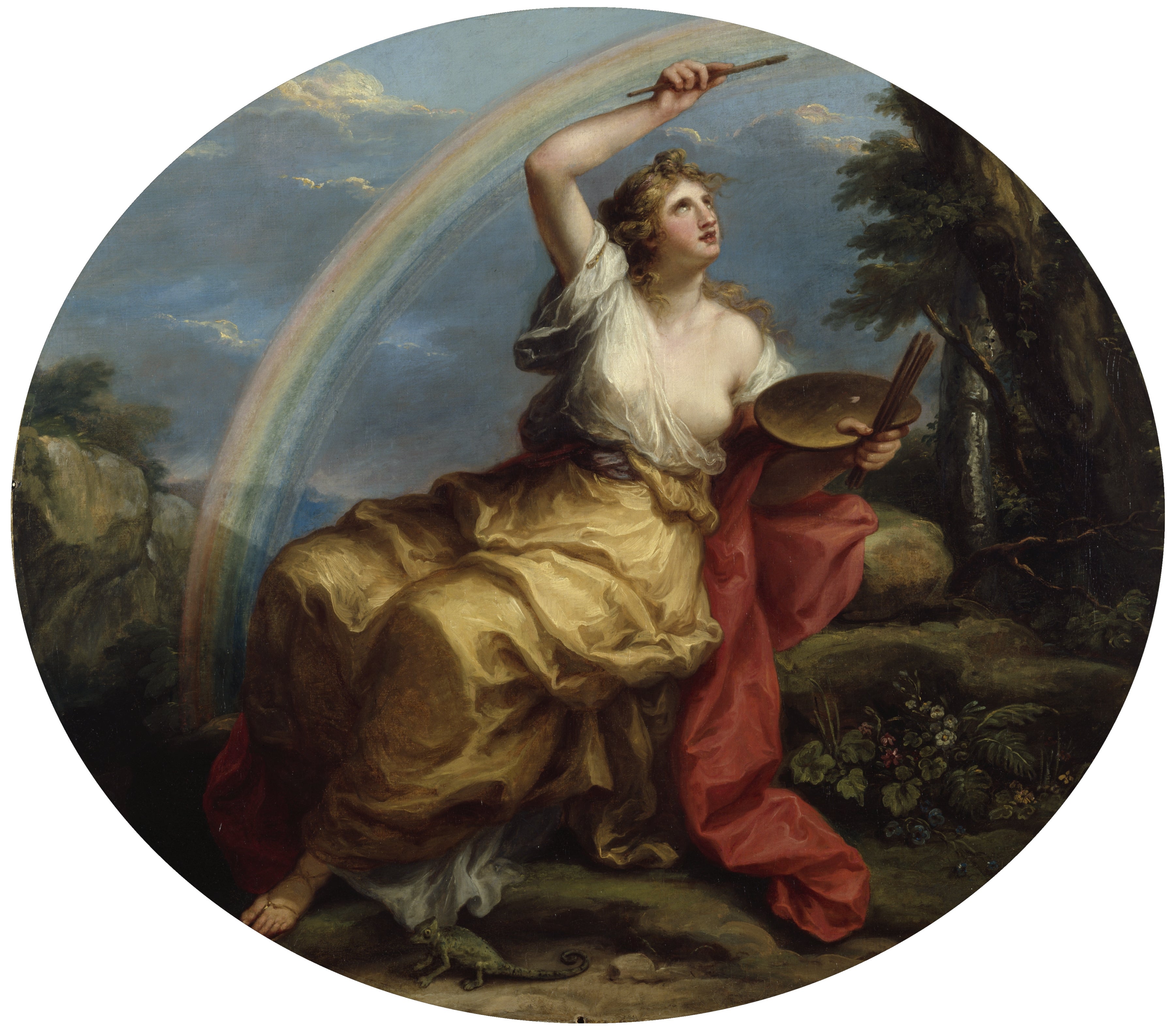
The choice of opening works sets the tone. On the one hand, Self-Portrait as the Allegory of Painting (1638) by Artemisia Gentileschi shows the Italian painter, generally recognised as the first major woman artist in the Western tradition – who was briefly a resident of London – intent on her craft, paintbrush in hand. On the other, Angelica Kauffman’s Invention (1778) depicts a woman in classical garb with wings sprouting from her head, embodying a quality then seen as the province of men. Women were expected to content themselves with mere “imitation”, creativity, as we’d think of it today, being considered beyond their capacities. Kauffman’s painting may be viewed as a brave statement of defiance, but beside Artemesia’s earthy realism its insipid Neoclassicism is deadly.
A glance through the next couple of rooms suggests that the experience of looking at stultifyingly conventional 17th- and 18th-century portraits by women is a little different from looking at the same sort of paintings by men.
Mary Beale’s smoothly finished image of Anne Sotheby (1676) could pass, at a glance, for the work of Peter Lely, the leading painter of the time, even down to the prominent lower lip that seems to have been to the Restoration era what the trout pout is to now.
The wall texts are full of intriguing background detail: that the women in Joan Carlisle’s portraits, for example, are all wearing the same white satin dress, which was “clearly a successful commercial ploy”. Yet the works themselves are workmanlike, second-division paintings of the time, with no sense of a distinctive women’s way of painting as we might hope.
Most of the 18th-century portraits occupy a placid middle ground between the styles of the two dominant male artists of the time, Thomas Gainsborough and Joshua Reynolds, typified by Katherine Read’s doggedly ordinary full-length portrait of Sarah, Lady Pollington (mid-1760s).
Mary Black’s portrait of the anxious-looking gentleman Messenger Monsey (1764) in his periwig and pink suit takes a tougher approach, reflecting perhaps her major falling out with him. He wrote her off as a “slut” for having the temerity to expect to be paid for her labour.
Maria Cosway’s huge Georgiana Duchess of Devonshire as Cynthia (1783) makes an impact through sheer eccentricity, with its larger than life-size figure of the celebrated socialite, dressed as the Roman moon goddess, leaping towards us through clouds. It’s preposterous kitsch, but at least has entertainment value.
Things liven up in the Victorian era, when women artists were at least getting out of the studio to tell stories about the wider world, while beginning to engage in proto-feminist cultural activism. Yet the stories they told, and the way they told them, were often hardly distinguishable from the efforts of their male counterparts.
Determined not to be pigeonholed as a “woman artist”, Henrietta Rae painted classical nude compositions despite the prevailing view that they were unsuitable for women artists. Her huge Psyche Before the Throne of Venus, a big success at the 1894 RA Royal Academy exhibition, with its crowd of half-naked goddesses all looking a bit like public school mistresses, could be mistaken for one of the soft porn Roman fantasies of the then massively famous Lawrence Alma-Tadema. It’s debatable whether Rae’s “female gaze” brings much variation to the standard Victorian rendering of nubile female flesh. Yet the active suffragette Annie Louisa Swinnerton’s Mater Triumphalis (1892) proudly proclaims the sensuality of the female body in its unashamedly voluptuous incarnation of motherhood.
Eleanor Fortescue-Brickdale’s colourful The Deceitfulness of Riches (1901) is a very competent piece of late Pre-Raphaelitism, that could have been produced by any number of her male contemporaries. But Elizabeth Forbes, who felt herself a “prisoner behind bars” in London, got herself all the way to Pont Aven, the avant garde artists’ colony in Britanny, where Gauguin once ruled the roost. Her rather staid country scene The Edge of the Woods (1894) follows the tamer influence of the soft-centred rural realist Jules Bastien-Lepage. Yet it’s clear from her memoirs, quoted in the catalogue, that engaging with any form of “realism” was a radical step for a British woman artist at that time.
While the First World War brought great advances to women’s position in society, not least because of their contribution to the war effort, there’s nothing remotely revolutionary about Anna Airy’s skilled, but conventional canvases of women working in munitions factories; though the mere fact that women were tackling such subjects no doubt represented a major step forward. If Vanessa Bell’s cubistic still lifes feel tentative and slightly amateurish, Ethel Sands and Anna Hope-Hudson’s richly textured domestic interiors, clearly very indebted to the French “intimiste” Edouard Vuillard, are more than a match for the efforts of Walter Sickert and Spencer Gore, their male rivals in the Camden Town group, who while protesting their “progressive” views, barred women from membership.
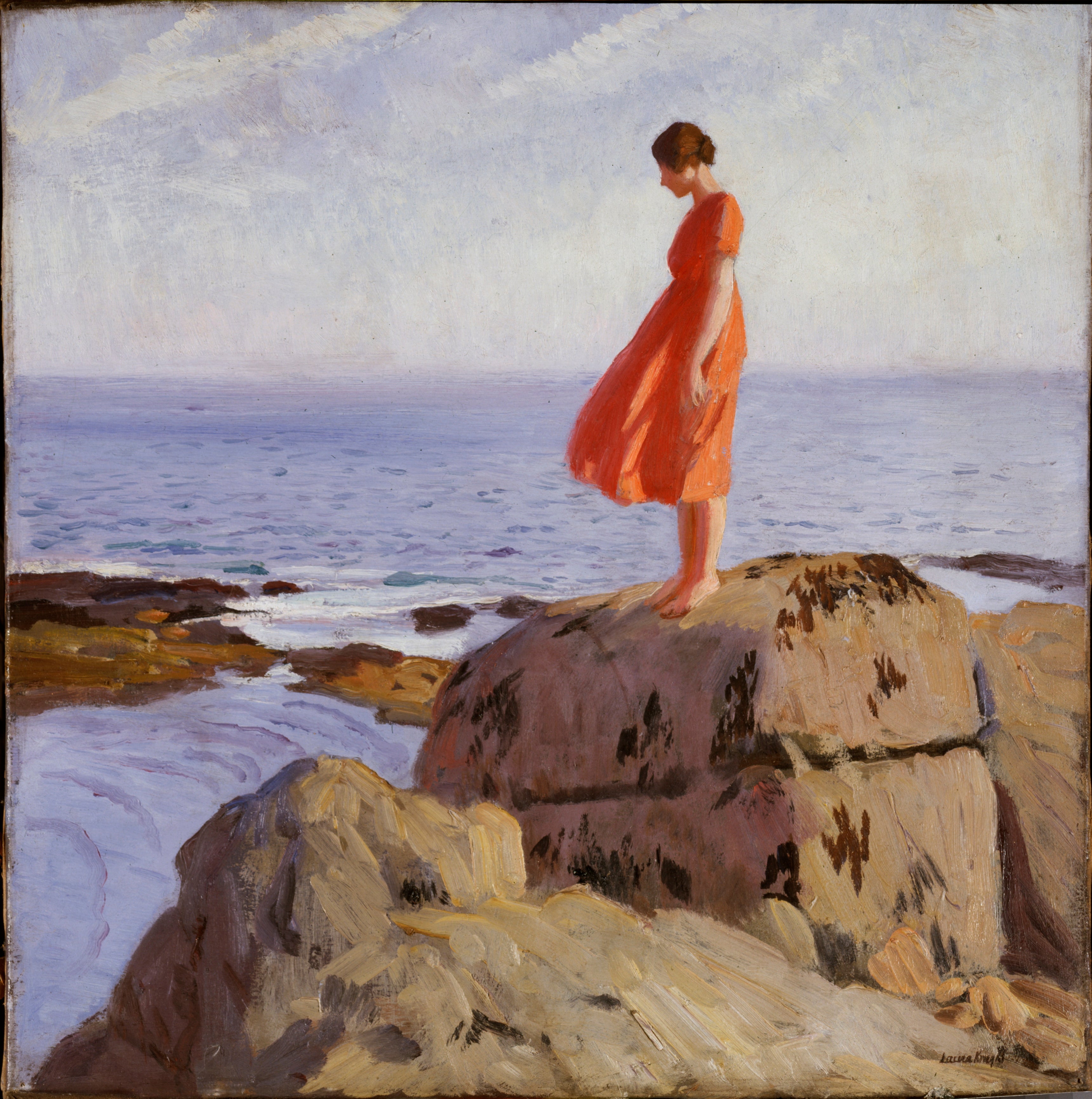
Finally, the works that seem to offer a distinctively woman’s perspective come from surprising directions. Ethel Walker’s decorative views of gardens are nothing to write home about, but The Excursion of Nausicaä (1920) her vast and slightly bonkers exotic-monumental fresco design is one of the few works here that isn’t falling in line with male-defined aesthetic norm. Equally the paintings of lone women on Cornish cliff tops by the hugely successful Dame Laura Knight, who is on the face of it the most conventional of women artists, give a sense of getting inside the female condition in their mood of pensive isolation, a feeling that is apparent in very few other works.
While there’s the sense of a fascinating story behind every painting in this exhibition, this human and social context isn’t for the most part evident in what we see. Most of the artists here were doggedly trying to satisfy a male-dominated commercial art market rather than highlight the difficulties of their own positions. Indeed, while Tate Britain has just finished a large and uproarious show on Second Wave Feminist art, the hugely popular Women In Revolt!, you’d never know from this exhibition that the world-changing upsurge of First Wave Feminism, and the Suffragette struggle, took place in the latter part of its time frame. But the show doesn’t consider banners and posters to be within its remit, and the artists in this exhibition clearly didn’t see “protest art” as a possibility, let alone an option.
Tate Britain, from 16 May to 13 Oct
Join our commenting forum
Join thought-provoking conversations, follow other Independent readers and see their replies
Comments
Bookmark popover
Removed from bookmarks